The Work Overseas
Servant Leadership Ministry Foundation.
The Servant Leadership Ministry Foundation trains pastors, evangelists and disciple-makers across Thailand and Southeast Asia. Rev. Dr. Yupho Mathusonsawan founded it in Chiang Mai in 2019 under one motto: bring leaders back to the basics.
Active now: leaders are being trained through our partnerships with SLMIF in Thailand and Mission Impact India. Where we stand
01 Their Path
Find. Train. Release. Resource.
SLMIF's Frontline Mission starts with leaders already serving, then resources them to stay.
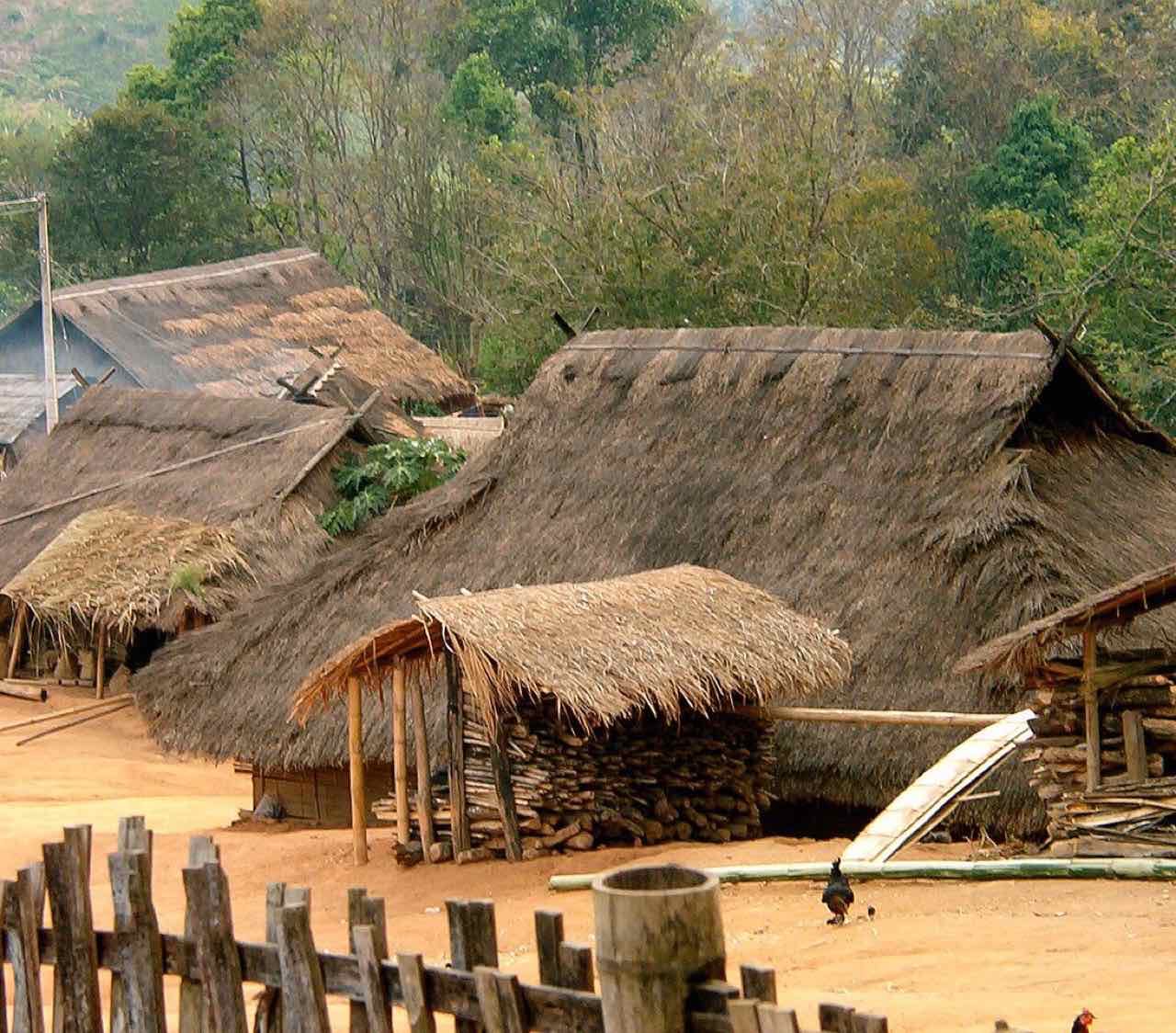

Step 1 of 4 · Find
Begin with leaders already serving
SLMIF's Frontline Mission works with local field networks to find men and women already serving in frontier regions: called, gifted, rooted and trusted by their people.
Step 2 of 4 · Train
Train them alongside their ministry
SLMIF says its Frontline Mission trains the national evangelists it finds, in the regions where they already serve.
Step 3 of 4 · Release
Send them to their people
SLMIF then releases, or sends, the trained workers to reach their people with the gospel.
Step 4 of 4 · Resource
Keep them resourced where they are
SLMIF keeps resourcing workers after release, so they can keep serving where they have roots and the trust of their people. In the words of SLMIF’s Frontline Mission: “We don’t recruit them to leave; we resource them to stay.”
SLMIF says frontline means the missionary serving in the most remote unreached regions. Oversight of these workers belongs to SLMIF, and ENDS shows their names only where SLMIF itself publishes them and agrees.
02 Ministries
Three Ministries, One Aim.
SLMIF carries its mission through three connected ministries, as its homepage lists them.
SLA: The Academy
The International Servant Leadership Institute, a cohort-based leadership academy. Pastors and leaders from across the region train together, often online, through roughly 123 teaching hours built on a Pattern · Posture · Practice · Power framework.
SLE: The Frontline
The Servant Leadership Evangelist and Frontline Mission arm finds, trains and releases national evangelists into the hardest places in Thailand. In its own words: we don't recruit them to leave; we resource them to stay.
SLMIF's Frontline page
SLC: The Conference
Each year the Servant Leadership Conference gathers pastors, leaders and regional partners for teaching, worship and shared formation. There the wider network is taught and sent.
03 Where
Rooted in Chiang Mai.
Thailand
About 71 million people in 110 people groups. Most of them have little access to the gospel in their own language and community.2
- 73 of 110
- people groups are unreached
- About 86%
- of the people live in an unreached people group
- About 1.8%
- are Christian of any tradition, by Joshua Project’s estimate
Compared with a state you know
A little larger than California, with nearly twice the people.1
Land
People
The capital
Bangkok
The capital and by far the largest city, with about 5.4 million registered residents.3
- About 21 million
- Central Thai, the country’s largest people group4
- 0.1 to 2%
- of them are Christian, by Joshua Project’s range
Why it matters: The Central Thai are the largest people in the country, and Joshua Project counts them unreached.


The north
Chiang Mai
The largest city of the north, in a province of about 1.8 million registered residents. SLMIF, our partner, is based here.3
- About 7.75 million
- Northern Thai, the people of the northern valleys4
- 0.1 to 2%
- of them are Christian, by Joshua Project’s range
Why it matters: The Northern Thai are counted unreached, and they live all around the hill peoples among whom the church has grown.
Mountains of the north and west
The hill country
Home to the hill peoples: Karen, Hmong, Lahu, Akha, Lisu, Mien and others. Thailand’s last official count, in 2002, found 925,825 people in twenty provinces.5
- About 216,000
- S’gaw Karen in Thailand, the largest of the hill peoples4
- About 102,000
- Shan, whom Joshua Project counts unreached
Why it matters: The church has taken root among several hill peoples, and far less among the Shan and the Northern Thai around them. SLMIF trains Thai and Karen believers to reach their own people and the peoples beyond them.
The western border
The border camps
Along Thailand’s western border, nine refugee camps hold more than 100,000 people. The first opened in 1984 and were meant to be temporary.6
- 9
- refugee camps along the border
- About 81%
- of the people in them are Karen
- Since 1984
- more than forty years
Why it matters: Children have been born and have grown to adulthood in camps that were meant to be temporary.
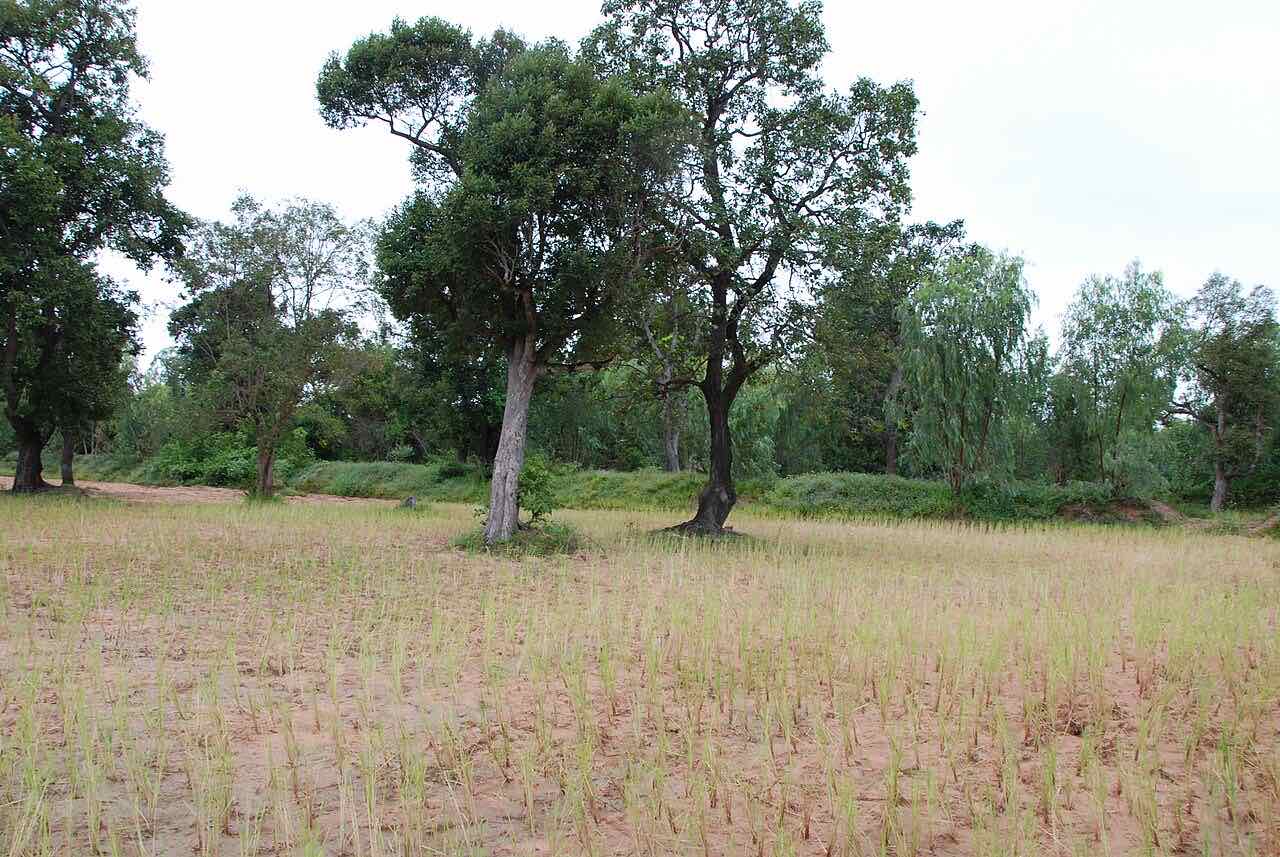

The northeast
Isan
The northeast plateau is home to the Isan people, the second-largest people group in the country.4
- About 18.9 million
- Isan people
- 98.1%
- are Buddhist
- 0 to 0.1%
- are evangelical, by Joshua Project’s range
Why it matters: Nearly nineteen million people, and almost none of them are evangelical Christians.
The far south
The Deep South
In the three southernmost provinces most people are Malay-speaking Muslims. About 2.1 million people are registered there.3
- About 1.57 million
- Pattani Malay4
- 0 to 0.1%
- of them are Christian, by Joshua Project’s range
Why it matters: The Pattani Malay are among the least-reached peoples in the country.
Figures for peoples are Joshua Project’s national estimates for Thailand, read November 2026. A place is shown for its need. Our partner’s workers are never shown on this map. The outline is drawn by hand and simplified. Points mark well-known cities and regions, never a person, a church or a village.
See how one trained leader's work can reach the next valley
Read more: more about where it serves · about 1 min
The foundation's name comes from the pattern Jesus set for his disciples: leadership that begins with a basin and a towel, not a stage. Every arm of SLMIF forms that kind of leader: pastors and evangelists who are theologically grounded, humble, and equipped to raise up others.
From its base in Chiang Mai, SLMIF trains the Thai and Karen believers already on the ground to reach their own people and the unreached peoples beyond them. It builds on the faithful labor of the cross-cultural missionaries and national evangelists who came before, and equips the leaders who carry that work forward now.
04 Who Serves
Who Serves Here.
Every person named here is real. Each partner's leaders are shown as that ministry names them on its own website, by name and title only. Field workers and churches are added only after the partner agrees in writing. Workers who could be put at risk by being known are not shown by name, photo or place.
Thailand · Updated November 2026
Thailand, with SLMIF
SLMIF, Chiang Mai, Northern Thailand. The Servant Leadership Ministry Foundation, founded in 2019.
- Chiang Mai, Northern Thailand: 1 shown
- Thailand: 1 shown
- Place not given: 4 shown
Partner leaders, not in this layer
Rev. Dr. Yupho Mathusonsawan
Founder and President, Servant Leadership Ministry Foundation (SLMIF)
Leads SLMIF, which finds leaders already serving, trains them through its Servant Leadership Academy, and resources frontline workers to stay among the people they serve.
SLMIF's team, not in this layer
Named by their ministry on its own website, and shown here as it names them. They serve under its leadership.
Tharamu Jinda Panyakom
Academic Dean, SLMIF
Park Si Lom
Thailand Coordinator, SLMIF
SLMIF gives no place for these leaders, so no place is shown.
SLMIF's Frontline Mission, not in this layer
Named by their ministry on its own website, and shown here as it names them. They serve under its leadership.
Pastor Pornsawan Mathusonsawan
Frontline Mission Director, SLMIF
Thara Ywa Blut Doh
International Frontline Mission Director, SLMIF
Thara Jeera
Assistant Frontline Mission, SLMIF
SLMIF gives no place for these leaders, so no place is shown. SLMIF does not list its field workers by name, and ENDS shows field workers only with SLMIF's written agreement.
ENDS hopes to start supporting national pastors through SLMIF, and to help established national ministries plant churches.
Read more: more about who leads it · about 1 min
Rev. Dr. Yupho founded SLMIF in 2019 and leads it as president. He completed doctoral studies in biblical servant leadership at Fuller Theological Seminary (D.Min., according to SLMIF) and built his life's work in Chiang Mai. He is the partner leader ENDS works with in Thailand.
Dr. Yupho is the kind of leader ENDS exists to stand with: a national who has given his life to training other nationals. ENDS prays for his established indigenous ministry now, and aims to support it once giving opens.
05 ENDS’s Part
SLMIF Leads. ENDS Serves.
ENDS does not run SLMIF's programs or direct its field. We serve it.
| Part of the work | SLMIF | ENDS |
|---|---|---|
| The programs | Leads its own Academy, Frontline Mission and conference. | Runs none of them and does not direct the field. |
| Training | Leads its own training through its Servant Leadership Academy. | James Bell teaches in the Academy. Leaders of SLMIF have been trained through ENDS's partnership with it. |
| Frontline workers | Finds, trains, releases and resources them. Their oversight belongs to SLMIF. | Has funded none of them, and shows their names only where SLMIF itself publishes them and agrees. |
| Churches | Lists the planting of churches among its aims. | Plants no churches overseas itself. We hope to help the ministry plant churches. |
| Prayer | Its training, its conference and its frontline workers. | Connects American churches and believers with a trusted indigenous ministry, so its work is prayed for and, in time, resourced. |
Online giving is not yet open and ENDS is not yet accepting gifts; how gifts designated for this work would reach SLMIF has not yet been settled. SLMIF is one of ENDS' two partners among the nations, part of the work described on Where the Work Takes Root.
- Pray for Dr. Yupho, the academy cohorts, and SLMIF's frontline workers.
- Give, once giving opens. One proposed level is $250 a month (about $3,000 a year) toward one national pastor's training, mentoring and ministry support through a partner ministry.
- Go — see the work firsthand on a planned Thailand vision trip; its dates and details are provisional and subject to SLMIF.
Last reviewed November 2026. Information on this page is drawn from slmif.org and published with the Servant Leadership Ministry Foundation's permission.
Sources and Notes.
Figures on this page come from the sources below, with what each one measures and where it stops. They describe national patterns; no average describes every town or people.
- World Bank, World Development Indicators: surface area and total population (2025 data). Surface area (land and inland water) and mid-year population. Limits: Population figures are estimates. Checked 2026-11-20. ↩
- Joshua Project, Country listing: people groups, unreached groups and Christian adherents by country (live data). For each country: population, people groups, unreached people groups, the share of people living in unreached groups, and the share who are Christian adherents of any tradition. Limits: Estimates that change as research is updated; national censuses and surveys can give different figures (Thailand's 2018 household survey found about 1.1% Christian). 'Christian adherent' counts every Christian tradition and says nothing of personal faith. Checked 2026-11-19. ↩
- Department of Provincial Administration, Thailand, Registered population by province, August 2026 (2026-09). People entered in Thailand's civil registration, by province, Thai nationals and others. Limits: Registered residents, which is fewer than the people who actually live in a city; whole provinces, not city limits. Checked 2026-11-20. ↩
- Joshua Project, People group profiles for Thailand (Thai, Northern Thai, Isan, Pattani Malay, S’gaw Karen, Shan) (live data). Joshua Project's estimate of each people group's population in Thailand, its main religion, and ranges for the share who are Christian and evangelical. Limits: National totals for each people, not counts for a city or province. Christian and evangelical shares are published as ranges. Estimates change as research is updated. Checked 2026-11-20. ↩
- Network of Indigenous Peoples in Thailand, in HURIGHTS OSAKA Focus vol. 62, Indigenous Peoples of Thailand (2010-12). The officially recognized hill peoples of the north and west of Thailand, as counted by Thailand's Department of Social Development and Welfare in 2002. Limits: A 2002 count quoted second-hand; no newer official total was found. Checked 2026-11-20. ↩
- The Border Consortium, Refugee camp population, December 2025; Our work; About us (2026-01). People The Border Consortium verified as living in the nine camps along the border, registered or not. Limits: The Border Consortium's own count, higher than the governments' registered figure (90,759 on the same table, last updated in 2022). UNHCR also reports nine temporary shelters after more than four decades. Checked 2026-11-20. ↩