Part IThe Unfinished Math.
Two centuries of modern missions have carried the gospel further than any generation before us — and we honor every missionary who went. Many of the national churches we now partner with exist because someone crossed an ocean a hundred years ago. What follows is not criticism of those who go. It is the math of how the remaining task gets finished.
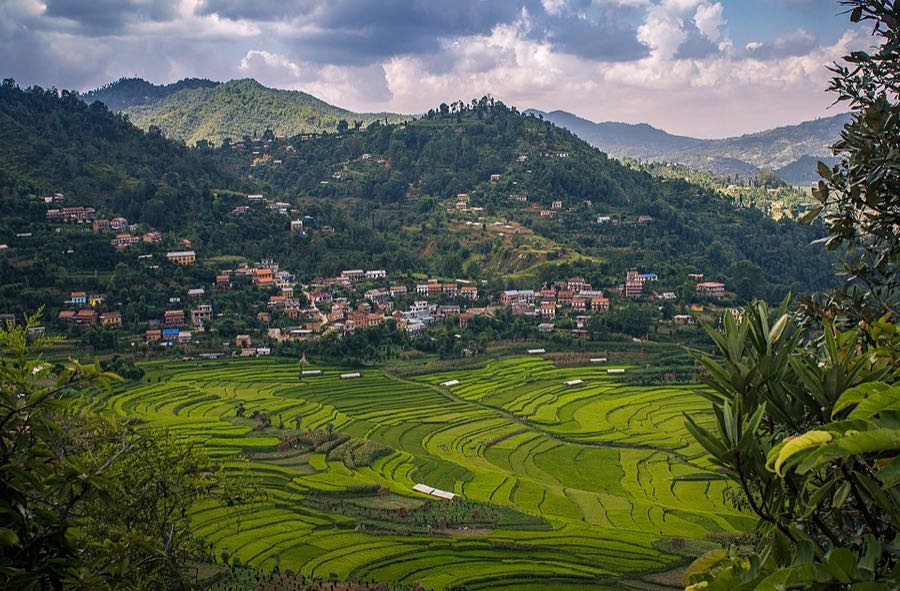
Now the cost side. Keeping one American missionary family on the field commonly runs past $100,000 a year once salary, insurance, housing, schooling, travel, and agency overhead are counted — after two to four years of raising that support, and before three to five years of language study make ministry fully possible. And the field is hard on families: missions researchers have long estimated that up to roughly half of new missionaries leave within their first term — burnout, children's needs, funding collapse, visa denial. None of this is a moral failure. It is the price of sending outsiders to do an insider's job.
The Sending Model
The National Model
For the yearly cost of sending one Western family, nearly one hundred national pastors can be trained, resourced, and supported. That is not a fundraising slogan. It is the entire strategic logic of ENDS — and it is not a theory. It has already been proven. Which brings us to Thailand.
Part IIThe Thailand Story.
Read the full two-century history — from Judson's Burma to the Thai border →
Thailand is one of the most beautiful mission fields on earth, and one of the most sobering. Protestant missionaries have worked there for nearly two hundred years — schools, hospitals, printing presses, whole lifetimes poured out — and after all of it, Thailand remains overwhelmingly Buddhist, with Christians commonly estimated at around one percent of the population. If money and heroism alone could finish the task, Thailand would have been finished a century ago.
But inside that sobering story runs a brighter one, and it belongs to the hill peoples — above all, the Karen.
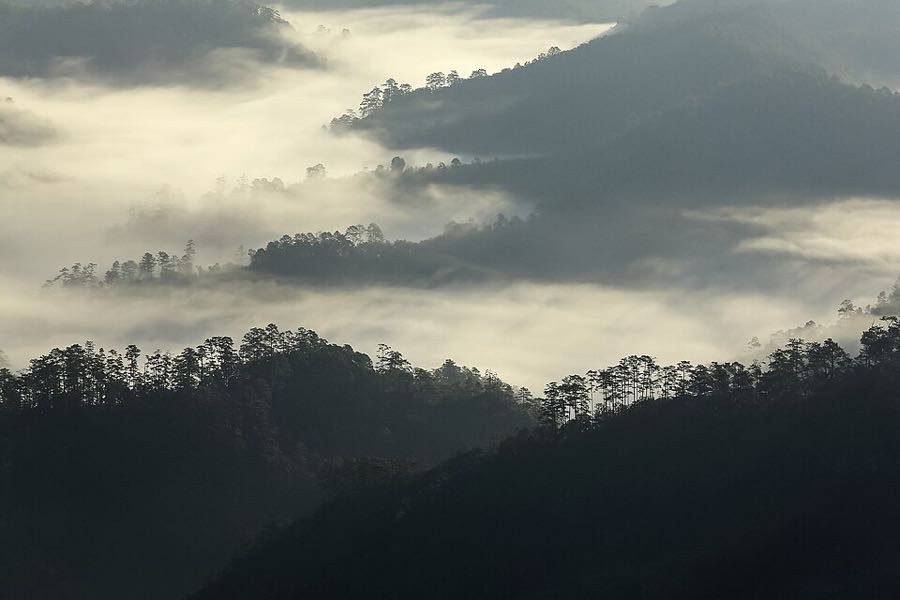
The Karen: A Mission Field That Became A Mission Force
In the early 1800s, Baptist missionaries in Burma began preaching among the Karen people of the hills. The Karen carried ancient traditions of a lost book that would one day be returned to them — and when they heard the Book read, many recognized it. From the first Karen believers of that era grew one of the most remarkable church movements in Asia: within a generation, Karen evangelists — not foreigners — were carrying the gospel village to village through hills no outsider could endure. The Karen church became, and remains, a missionary church.
Their homeland — Kawthoolei, spanning the borderlands of Myanmar and Thailand — has since endured decades of war and displacement. Villages scattered. Families pushed across the border. And yet the church went with them, planted in refugee camps and border towns, still training, still sending. The Karen story is the ENDS thesis written in history: the gospel crossed the ocean once, so that it would never have to again.
Part IIIServant Leadership — The SLMIF Story.
Out of that Karen lineage comes our founding partner — and the man whose name sits first in our pastor directory.
Rev. Dr. Yupho Mathusonsawan earned his Doctor of Leadership at Fuller Theological Seminary and could have built a career anywhere. Instead he built in Chiang Mai, in northern Thailand, an hour's flight from the borderlands of Kawthoolei — with a conviction sharpened by everything above: "Bring leaders back to the basics." Not bigger platforms. Not imported programs. Leaders formed in the likeness of Jesus Christ — the towel and the basin before the title.
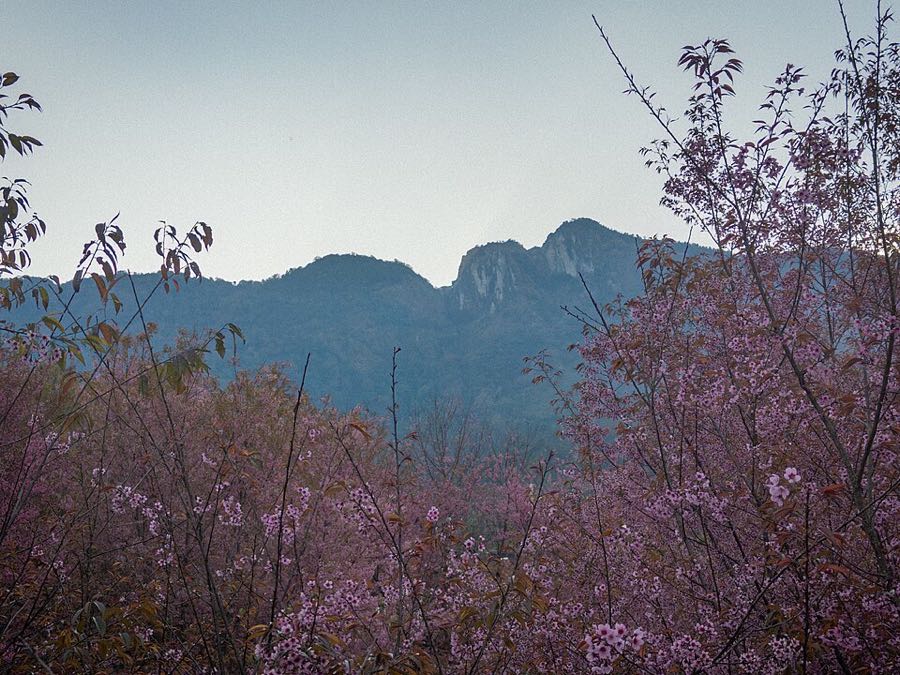
- 2010KKBBSC — The Karen School
The Kawthoolei Karen Baptist Bible School & College begins carrying biblical theology and pastoral formation to the Karen church across the Thailand–Myanmar borderlands — today taught by a nineteen-member international faculty, online, so that a pastor in a border village studies without leaving his people.
- 2019The Foundation
The Servant Leadership Ministry Foundation is established in Chiang Mai under Dr. Yupho's leadership, headquartered at Payap University's Mae Khaow campus — four arms, one motto, one aim: leaders equipped spiritually, intellectually, socially, and economically through the Scriptures for the Great Commission.
- 2020The Pivot
When the pandemic closed borders and classrooms, the academy moved to Zoom and Google Classroom — and discovered the model ENDS now builds on: world-class formation delivered across borders, into restricted regions, without moving a single family or filing a single visa application.
- TodayThe Four Arms
The International Servant Leadership Institute runs its 123-hour cohort academy with fourteen faculty drawn from Fuller, Liberty, Payap, and Cornerstone and partners across Myanmar and Malaysia. KKBBSC trains the Karen church, and the LTC boarding schools in Chiang Rai raise and educate children from the hill communities. The annual Servant Leadership Conference gathers pastors from across the region. And the Frontline Mission arm — led by Pastor Pornsawan Mathusonsawan — finds, trains, and releases national evangelists into the hardest places in Thailand.
Find. Train. Release.
That Frontline arm is where the vision stops being an idea and starts having names. Forty frontline workers serve through it right now — and they look nothing like a missions brochure. Pastor Wichai was a gang leader before he was a shepherd. Pranee is a nurse who plants churches on her days off. Dr. Weera is a physician on the unreached frontier. Elder Chalerm trains farmers to lead Bible studies between harvests. Fishermen's coasts, deaf communities, prisons, flood-ruined villages, Buddhist heartlands — each worker already belonged to the place before they were sent to it.
Read that sentence twice, because it is the whole revolution. The old model asks: who will go? The servant leadership model asks: who is already there, and what do they need? The answer is almost never a visa. It is training, a mentor, a modest support base, and a church on the other side of the world that knows their name.
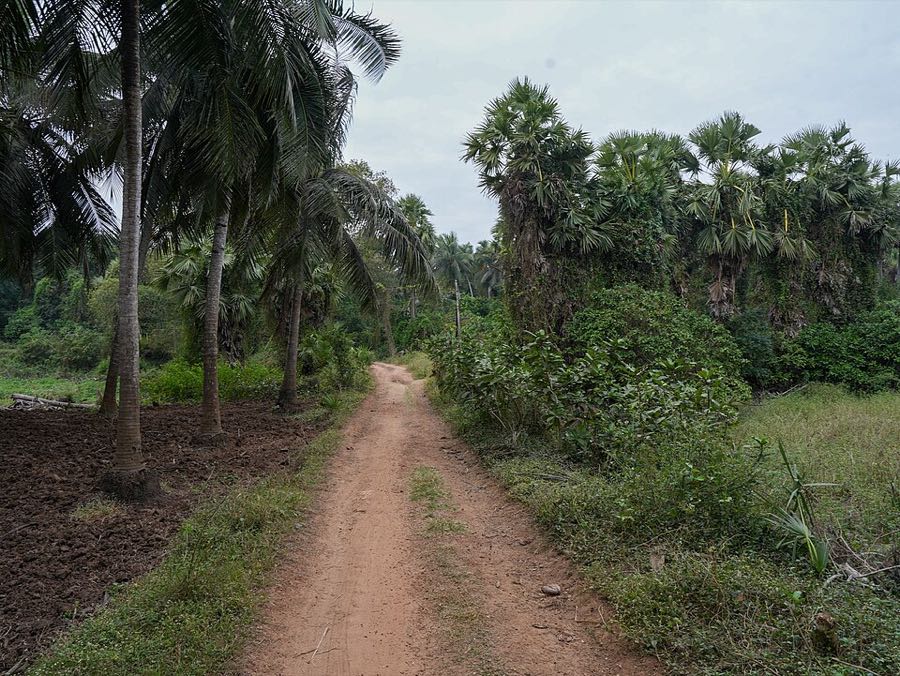
What Dr. Yupho built in Thailand, David Livingstone is building in India. Our second partner, Mission Impact India (est. 2017, Kaikaram, Andhra Pradesh), carries the same logic into the nation with more unreached people groups than any other on earth — through a network of approximately 250 national pastors — rescuing children from trafficking and poverty, revealing purpose through shelter and care, restoring hope through Scripture, and raising local believers to reach the villages around them. Different continent. Same conviction. Nationals reaching their own.
Part IVWhere You Come In.
ENDS exists to take what Thailand proved and aim it at the ends of the earth: find the called national leader, train him through a serious, competency-gated curriculum, resource him at a fraction of Western cost, and connect him to people like you — by name, for life.
We are not asking you to fund a program. We are asking you to stand behind a person: a pastor whose language you will never speak, reaching a village you will never visit, whose grandchildren will preach in places that today have never heard the name of Jesus.
The question is not whether the ends of the earth will be reached. The question is whether your generation's part in it will be measured in airfare — or in shepherds.